Eat well. Fast smart.
Feel better.
Free, protein-forward recipes built for your eating window — plus a personalized fasting plan that tells you exactly when and what to eat. Every number explained.
Fast-smart recipes
All recipes →Protein-forward meals with the calories, protein, and time counted on every dish — built to fill your window and break a fast well.
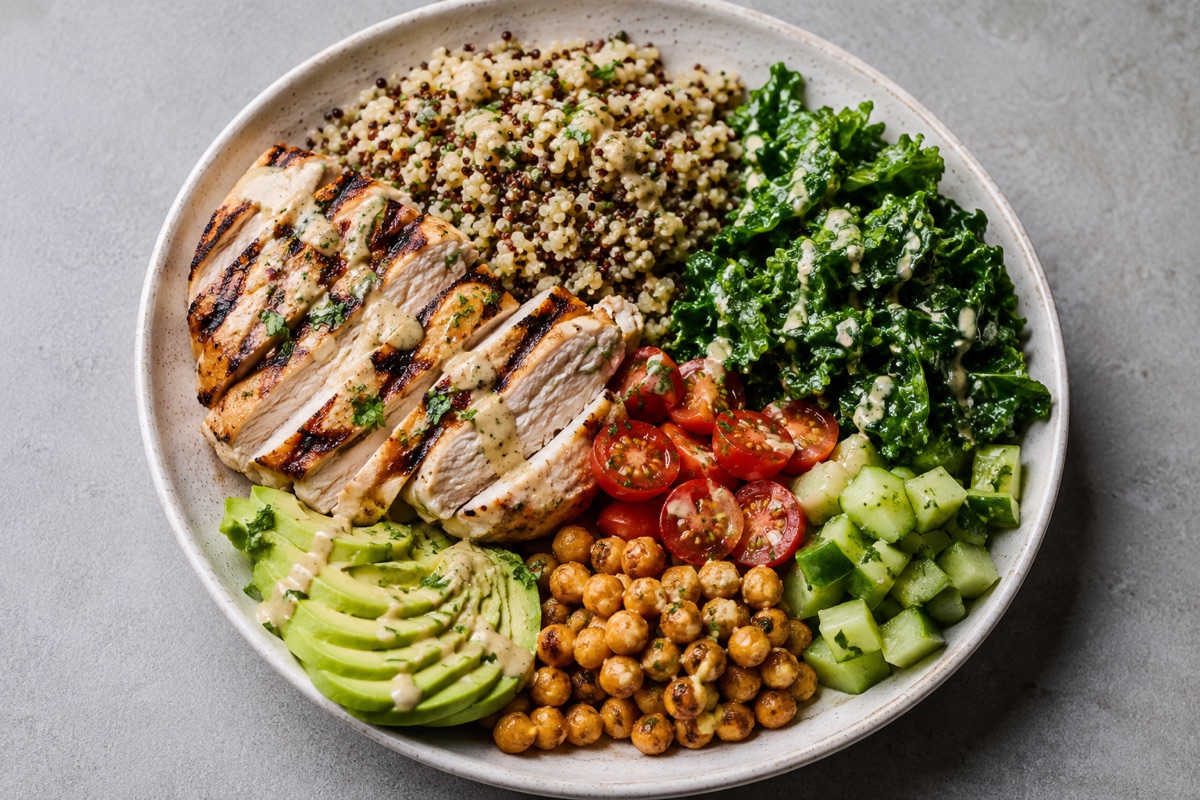
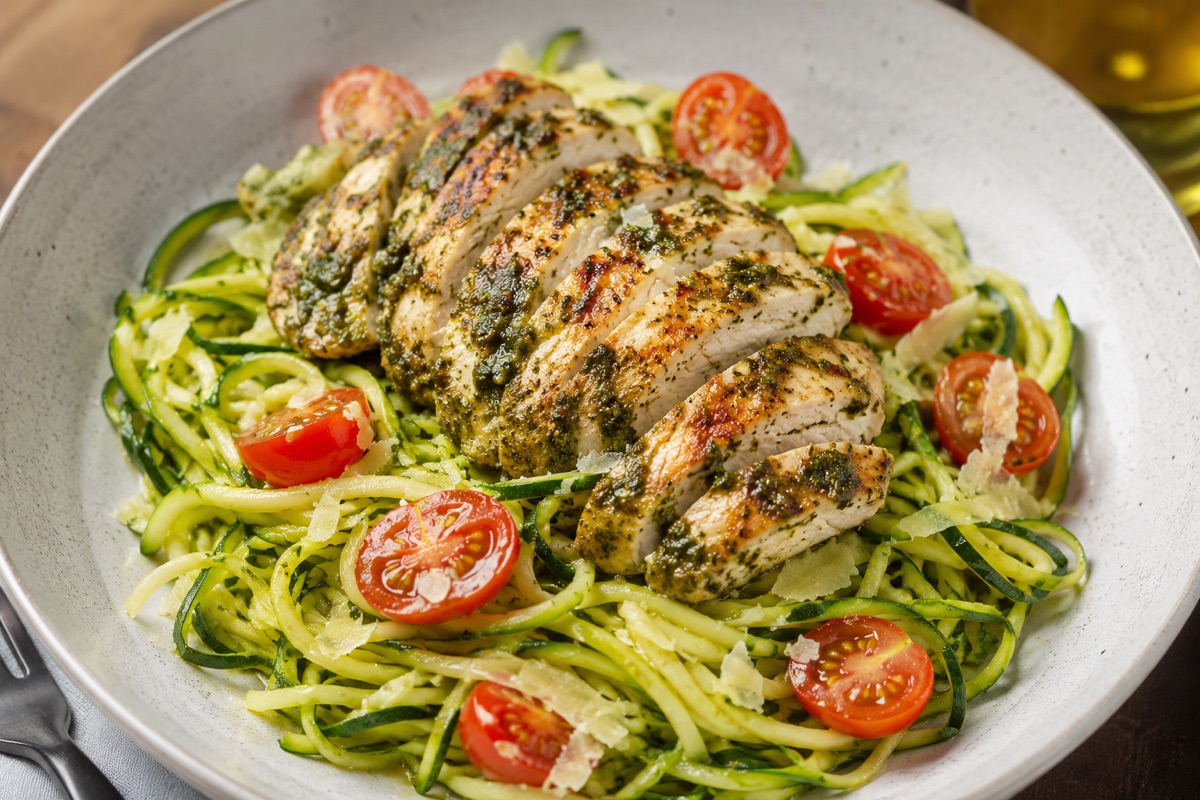




How Kairo works
Tell us about you
A 60-second quiz: your goal, experience, schedule, and how you like to eat.
Get your explained plan
Your fasting window, a calorie target, and meal ideas — with the reasoning behind each.
Eat smart around it
Exactly how to break your fast and what to eat in your window, personalized to your diet.
Kairo adapts
Adjust your program any day, and let it tune to your sleep, training, and recovery.
More than a timer — a guide
Anyone can count hours. Kairo tells you what to do with them.
Break your fast the right way
A personalized 20-minute playbook for your first foods — so you feel energized, not bloated and crashing.
Know what to eat in your window
Protein-first meals, fibre, and timing matched to your diet and calorie target — with the why behind each.
A 7-day program that flexes
Swap meals, lock favorites, track your days — and let it adapt to training, sleep, and recovery.
The Kairo Guide
Short, practical reads that make you smarter about fasting and food — no fluff.
How to break a fast without wrecking it
The first 20 minutes matter most. Do them right and skip the crash.
Read → ProtocolsIntermittent fasting for beginners
The complete starter guide — schedule, easing in, and week one.
Read → Protocols16:8 vs 18:6 vs OMAD — which fits you
A plain-language guide to choosing (and stepping up) your protocol.
Read →Built to be trusted with your routine
Personalized, and it tells you why
Every recommendation shows its reasoning — no black box, no hype. You learn as you go.
Private by design
Your plan lives on your device. Sign in only if you want to sync across devices — your choice, always.
Grounded, not gimmicky
Calorie targets use the Mifflin–St Jeor equation. Guidance is practical and honest — general information, not medical advice.
Start free. Go Pro when you're ready.
Understanding is always free. Pro adds the full playbook and your daily program — $5/mo or $29 for life.
What is intermittent fasting?
Intermittent fasting is an eating pattern that alternates periods of fasting with a set eating window. Instead of changing what you eat, it focuses on when — which many people find simpler to stick to. Kairo turns your goal and schedule into an exact daily window, a calorie target, and clear guidance on what to eat and how to break your fast. Build your plan free.
Fasting schedules explained
- 16:8 — fast for 16 hours and eat within an 8-hour window. The most popular starting point for beginners.
- 18:6 — fast 18 hours, eat within 6. A natural step up from 16:8.
- 20:4 — fast 20 hours, eat within 4 (often called the "Warrior" style).
- OMAD — one meal a day, roughly a 23-hour fast for experienced fasters.
Frequently asked questions
What is the best intermittent fasting schedule for beginners?
Most beginners start with 16:8 — a 16-hour fast and an 8-hour eating window — because it's the easiest to fit into a normal day. Kairo's quiz recommends a starting protocol from your goal and experience, and you can step up to 18:6, 20:4, or OMAD as it gets easier.
What should I eat to break my fast?
Break a fast gently: water with a pinch of salt, a little protein such as Greek yogurt or eggs, then your first full meal 15–20 minutes later. Avoid large sugary or greasy meals on an empty stomach — they cause bloating and an energy crash. Kairo personalizes your break-a-fast steps to your diet.
Can I drink coffee or water while fasting?
Water, black coffee, and unsweetened tea are generally fine during a fast and can help with hunger. On longer fasts, a pinch of salt or an electrolyte drink helps prevent headaches and low energy.
How many calories should I eat in my eating window?
It depends on your body, activity, and goals. Kairo estimates a personalized daily calorie target using the Mifflin–St Jeor formula and keeps protein high to protect muscle while fasting. This is a general estimate, not medical advice.
Is intermittent fasting safe?
For many healthy adults it's considered safe, but it isn't right for everyone. Don't fast without medical guidance if you're pregnant, under 18, have diabetes or another condition, or have a history of disordered eating. This tool is general information, not medical advice.
Does the Kairo app make me log food or count calories?
No. The Kairo iPhone app is an adaptive fasting timer and recovery tool — it focuses on timing, training, and recovery, and never asks you to log a meal or count a calorie. Nutrition and recipes live here on the web, where you want them; the app keeps your day simple. It's fasting and recovery, not a calorie tracker.